 EN
EN FR
FRHello !
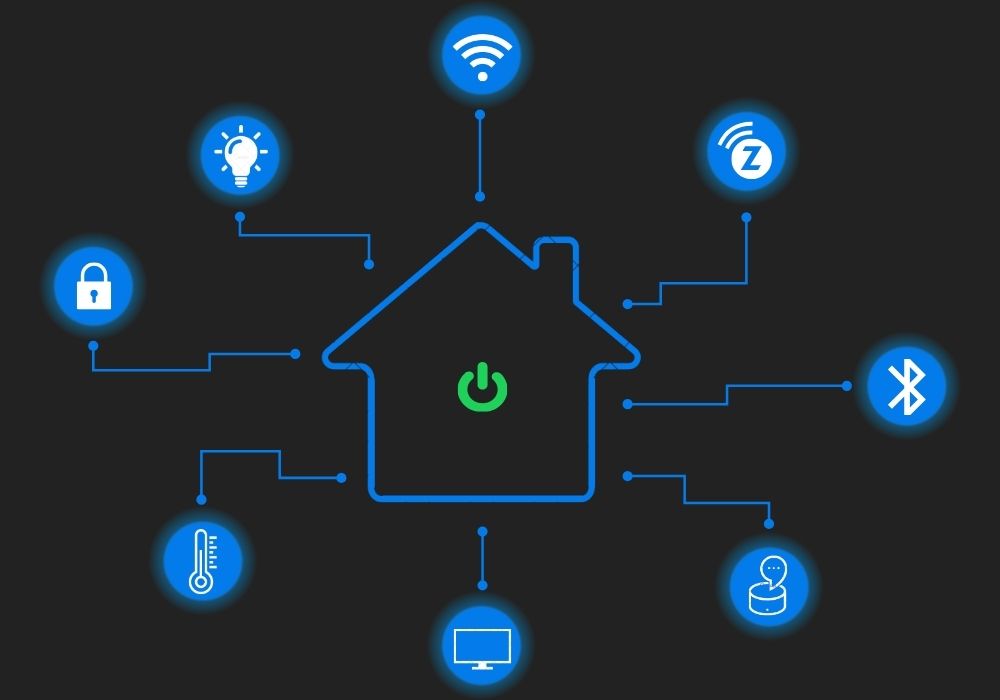
A home automation system monitors and controls home features such as lighting, air conditioning, AV systems, and appliances. It can also include home security, such as surveillance cameras, access control and alarm systems.
There are three types of intelligent home automation system architectures: centralized home automation systems, distributed home automation systems and hybrid home automation systems.
Here is an analysis of each case:
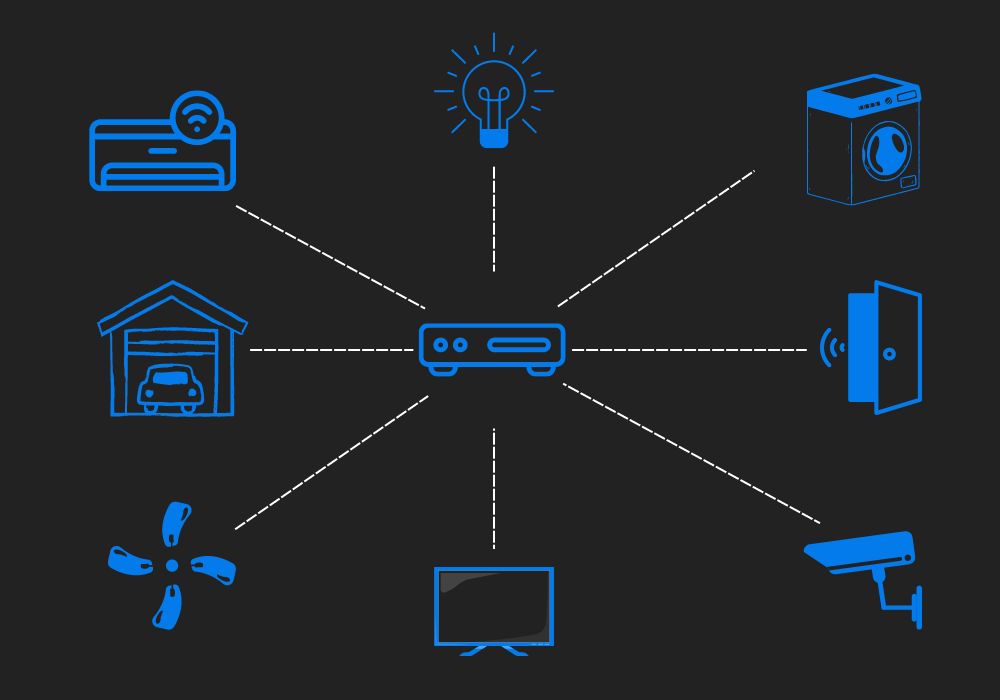
1. Centralised Home Automation :In a centralized system, control is managed by a central controller (called a "hub"). All intelligent devices are controlled and coordinated by the hub. The hub decides what action to take based on data received from sensors. Sensors are devices that detect environmental conditions such as temperature, humidity, presence/movement, or the on/off and open/close status of devices.
Depending on the control instructions (commands) received from the concentrator, actions are executed by the actuators. Actuators are devices associated with appliances (lights, locks, blinds, thermostats, etc.) to modify their state.
The advantages of a centralized system are its ease of commissioning, as there is no need to program individual devices and ease of control. As all controls are based on a central controller there is a risk of bottleneck, which can lead to reduced throughput or increased latency.
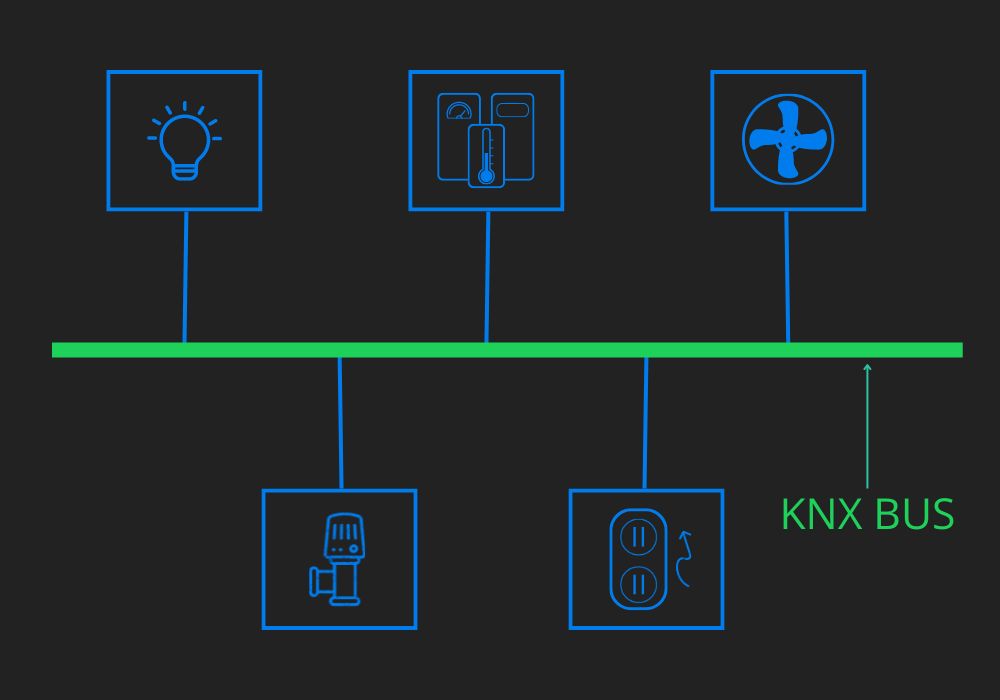
This is the exact opposite of the concept of a centralized system. In a distributed home automation system, each device has its own processor and memory to process data (Distributed Intelligence), so the devices are not dependent on a central controller for processing.
The absence of single-point control allows this type of system to offer greater flexibility, scalability and reliability, but requires more complex configuration and coordination (each device must be programmed separately).
KNX is an excellent example of a distributed intelligence system.
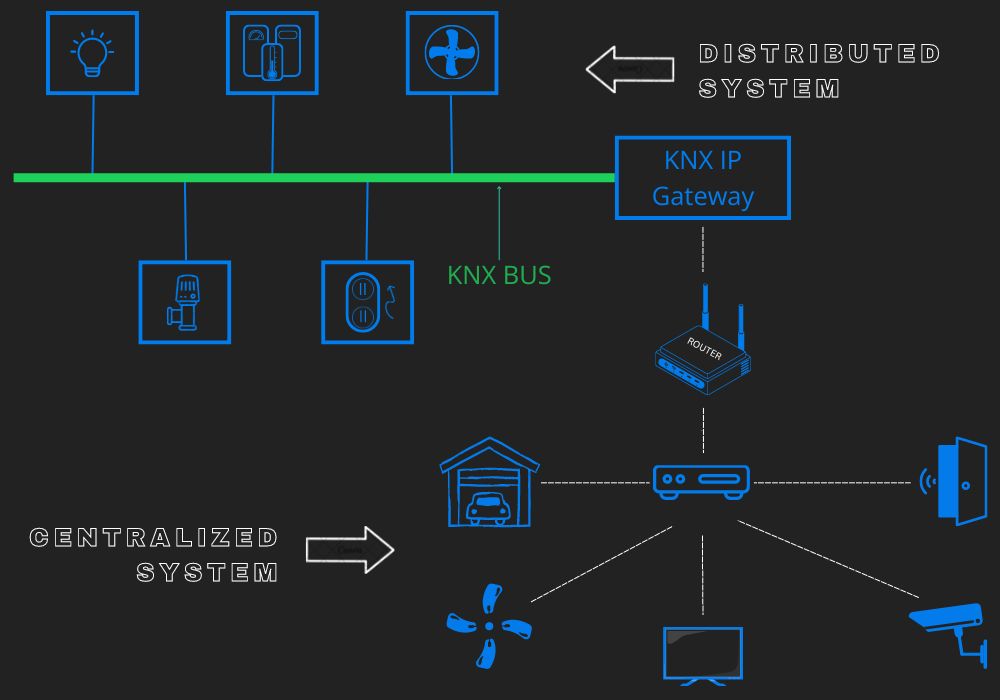
This is a cross-platform architecture that has the features of both centralized and distributed systems. This approach combines the best aspects of centralized and distributed architectures while mitigating their respective limitations.
In summary, centralized and distributed home automation systems have unique advantages and weaknesses in terms of control, scalability, security and complexity. Which home automation system is best suited to your needs depends on a number of factors, such as the size of the home, the number of devices to be automated, user preferences, functions and flexibility.
Thank you note !
I want to personally thank you for reading my article. Your time and attention are greatly appreciated, and it means a lot to me that you took the time to engage with my content.
Your support and feedback are invaluable, and I am grateful for the opportunity to share my thoughts and ideas with you. Whether you left a comment, shared the article, or read it, your participation helps fuel my passion for writing and motivates me to keep creating content that resonates with readers like you.
Please feel free to reach out if you have any thoughts, questions, or feedback about the article. I love hearing from my readers and learning about your perspectives.
Once again, thank you for your support. I look forward to sharing more with you soon.